Industrial Staircase Railings have become an increasingly important design feature for properties that want to combine structural practicality with a distinctive architectural appearance. A staircase is often viewed primarily as a functional connection between different levels, but the right railing can transform it into a prominent visual element that contributes to the character of an entire interior. Industrial staircase railings are particularly effective because they bring together clean lines, durable materials, practical construction, and a modern aesthetic that works across a wide range of architectural styles. Whether used in a residential interior, commercial building, workshop, office, or other functional space, a thoughtfully designed industrial railing can make a staircase safer while giving it a stronger visual identity.
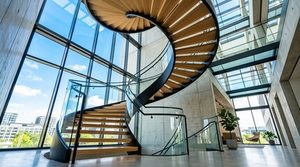
The appeal of industrial staircase railings comes largely from their ability to balance simplicity and strength. Industrial-inspired design generally emphasizes practical materials, straightforward geometry, exposed structural elements, and finishes that allow the construction itself to become part of the visual appeal. Rather than hiding every structural component, this approach often celebrates the character of metal, steel, wood, fasteners, and other durable materials. Staircase railings designed around these principles can give an otherwise ordinary staircase a more architectural appearance. Their clean profiles can create definition without making the staircase feel overly decorative, making them suitable for spaces where functionality and visual simplicity are equally important.
One of the most important benefits of industrial staircase railings is their durability. Stair railings are exposed to frequent contact, movement, and everyday wear, so they need to be designed with long-term performance in mind. Metal and steel railing systems can provide the strength required for regular use while maintaining their structural integrity when properly fabricated and installed. The material selected, thickness of components, connection methods, protective finish, and overall design all contribute to the durability of the finished railing. For high-traffic environments, a properly engineered railing can provide reliable support while resisting the wear associated with continuous daily use.
Safety is another fundamental consideration when designing and installing staircase railings. A railing should provide dependable support for people using the stairs and should be designed according to applicable building requirements and safety standards. The height, spacing, attachment points, gripping surfaces, and overall configuration can all influence how effectively a railing performs its safety function. Industrial design does not mean sacrificing safety for appearance. In fact, the straightforward construction associated with industrial railings can make it easier to create a system that is both visually appealing and highly functional. A successful staircase railing should complement the design of the space while maintaining the practical purpose for which it was installed.
Industrial staircase railings can also dramatically influence the appearance of a staircase. Because railings follow the line and structure of the stairs, they naturally draw attention to the vertical and horizontal movement within a room. A simple metal railing can emphasize a straight staircase, while a more detailed configuration can highlight a curved or multi-level stair design. The visual effect depends on the railing profile, material, finish, spacing, and relationship to the surrounding architecture. This makes the railing an important design decision rather than an accessory selected after the staircase itself has been completed.
Several design characteristics commonly contribute to the industrial appearance of staircase railings:
- Clean geometric lines: Straight profiles, simple angles, and restrained detailing can create a modern and organized appearance without overwhelming the staircase.
- Durable material combinations: Metal, steel, wood, glass, and other materials can be combined to create contrast while maintaining a practical and cohesive design.
The choice of material plays a major role in determining the character and performance of an industrial staircase railing. Steel is frequently associated with industrial design because of its strength, versatility, and ability to be fabricated into different shapes and profiles. Stainless steel can provide a clean and contemporary appearance, while other metal finishes can create a more rugged or traditional industrial effect. Powder-coated finishes can offer additional opportunities for customization while helping protect the surface from wear and environmental exposure. Wood can also be incorporated into industrial railing systems to soften the appearance of metal and introduce warmth and texture.
Combining different materials can be particularly effective when the goal is to create an industrial staircase that feels modern without becoming visually cold. For example, metal framing paired with a wooden handrail can create a balance between rugged construction and natural warmth. Glass panels can provide another option for maintaining visual openness while introducing a sleek contemporary element. The key is to select materials that work together in terms of proportions, color, texture, durability, and maintenance. When carefully coordinated, contrasting materials can make a staircase more visually interesting while preserving the straightforward character associated with industrial design.
The railing profile itself can have a significant impact on the final appearance. Thick structural components can create a bold, substantial look, while slimmer profiles may produce a lighter and more minimalist effect. Horizontal and vertical elements can also influence how the staircase is perceived. Vertical balusters may emphasize height and provide a traditional visual rhythm, while horizontal rails can create a more contemporary appearance. Open designs can help maintain a sense of spaciousness, whereas more enclosed configurations may provide additional visual separation or privacy. Choosing the appropriate profile requires consideration of both design goals and safety requirements.
Another advantage of industrial staircase railings is their adaptability. Industrial design does not necessarily mean that every railing needs to look identical. The concept can be interpreted through many different combinations of materials, shapes, finishes, and construction techniques. A railing can be customized to complement a minimalist interior, a rustic environment, a modern commercial space, or a more traditional architectural setting. This flexibility allows property owners, architects, and designers to create staircase systems that feel integrated rather than simply following a generic industrial template.
Customization can also help address the unique dimensions and requirements of a staircase. Every staircase has its own width, height, angle, landing configuration, and surrounding architecture. A railing designed specifically for the space can follow these characteristics more effectively than an off-the-shelf system. Custom fabrication can allow for precise measurements, specialized connections, unusual angles, integrated handrails, and design elements that would be difficult to achieve with standardized products. This can be particularly valuable for renovation projects where existing structural conditions limit the available design options.
The finish applied to an industrial staircase railing is another detail that should not be overlooked. The finish can influence both appearance and longevity. Smooth finishes may create a refined modern look, while textured or darker finishes can produce a more rugged industrial character. Protective coatings can also help reduce the effects of moisture, corrosion, scratches, and general wear depending on the material and environment. Selecting a finish should therefore involve more than simply choosing a preferred color. The expected level of use, exposure conditions, cleaning requirements, and desired visual effect should all be considered.
Industrial staircase railings can also contribute to the overall sense of openness within a building. Staircases can sometimes appear visually heavy, particularly when constructed with solid walls or bulky components. An open metal railing can preserve sightlines and allow light to move more freely through the space. This can make a staircase feel less enclosed and help maintain a more spacious appearance. In commercial and contemporary interiors, this quality can be especially useful because it allows the staircase to remain visually connected to surrounding areas while still providing necessary separation and safety.
Lighting is another factor that can enhance the appearance of industrial staircase railings. Carefully positioned lighting can highlight metal profiles, emphasize stair edges, and create shadows that add depth to the railing design. Integrated lighting beneath handrails or along stair treads can also improve visibility while contributing to the overall atmosphere of the space. When lighting and railing design are considered together, functional elements can become part of the architectural composition rather than appearing as separate additions.
Maintenance requirements should also be considered when selecting an industrial railing system. Although durable materials can provide excellent long-term performance, no railing is completely maintenance-free. Dust, fingerprints, moisture, and other contaminants can accumulate on exposed surfaces, particularly in high-traffic areas. Regular cleaning appropriate to the material and finish can help maintain the railing’s appearance. Metal components should also be inspected periodically for signs of corrosion, loose connections, damaged finishes, or other issues. Addressing minor problems early can help preserve both the appearance and performance of the railing.
Professional fabrication and installation can make a significant difference in the quality of an industrial staircase railing. Accurate measurements, proper material selection, secure connections, precise fabrication, and careful installation are all necessary for a finished system that performs correctly. A visually attractive railing can still create problems if it is improperly anchored or does not account for the structural characteristics of the staircase. Professional planning can help ensure that design ambitions remain compatible with safety, building requirements, and practical installation considerations.
Industrial staircase railings are also valuable because they can contribute to the perceived quality of an interior. A staircase occupies a considerable amount of visual space, and its railing is often one of the first elements people notice when moving through the area. A well-designed railing can make the staircase appear intentional, refined, and integrated with the architecture. Rather than functioning as an afterthought, it becomes part of the property’s overall design language. This can be especially important in spaces where architectural details play a major role in creating a distinctive environment.
For renovation projects, replacing an outdated staircase railing can provide a noticeable visual transformation without requiring the entire staircase to be rebuilt. An existing stair structure may remain functional while the railing is redesigned to create a more contemporary appearance. Updating the railing can introduce new materials, improve safety features, modernize the finish, and establish a stronger connection with recently renovated areas. This approach can be an efficient way to refresh the appearance of a staircase while concentrating resources on one highly visible architectural component.
The long-term value of an industrial staircase railing comes from its combination of aesthetics, functionality, and durability. Unlike purely decorative features, a well-designed railing serves a practical purpose every day while contributing to the appearance of the surrounding space. Its success depends on how effectively these different requirements are balanced. A railing that looks impressive but is uncomfortable or difficult to maintain may not provide the desired result, while an extremely practical design that ignores the surrounding architecture may feel disconnected. The strongest designs consider appearance, safety, ergonomics, construction, maintenance, and longevity as interconnected elements.
Ultimately, industrial staircase railings can elevate a staircase by turning an essential architectural feature into a defining part of the interior. Their clean lines, durable materials, customizable designs, and practical construction make them suitable for a wide variety of spaces and design goals. From minimalist metal systems to combinations featuring wood, glass, and other complementary materials, industrial railing designs can be adapted to create anything from a subtle modern statement to a bold architectural centerpiece. With careful planning, appropriate materials, professional fabrication, and proper installation, an industrial staircase railing can provide dependable support while enhancing the visual character and functionality of the entire space for many years.