Building a patio is one of the most practical ways to expand your home’s usable living space while creating a comfortable area for relaxing, entertaining, dining, and enjoying the outdoors. A well-designed patio can become an extension of your indoor living areas, providing a place where family and guests can gather without requiring a major addition to the home. Whether you are planning a simple seating area or a larger outdoor entertaining space, successful patio construction requires thoughtful planning, suitable materials, proper preparation, and attention to drainage and durability. Taking the time to plan the project before construction begins can help you create a patio that complements your home and remains functional for years.
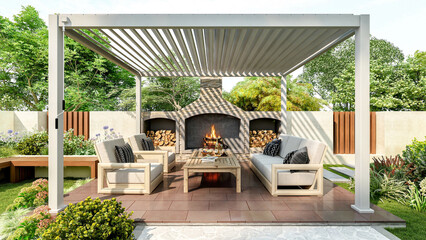
Before building a patio, it is important to determine how you want to use the space. A patio designed primarily for outdoor dining may require enough room for a table, chairs, and comfortable movement around the furniture, while a relaxation-focused patio might prioritize lounge seating, shade, and an open layout. If you regularly entertain guests, you may want to create separate areas for seating, dining, cooking, or other outdoor activities. Thinking about these uses early helps determine the patio’s size, shape, location, and features. The goal is not simply to create an attractive surface but to build an outdoor space that fits naturally into your lifestyle.
Proper site preparation is one of the most important parts of patio construction. Even high-quality patio materials can fail prematurely when installed over an unstable or poorly prepared base. The construction area generally needs to be cleared of vegetation, debris, roots, and unsuitable soil before excavation begins. The ground should then be properly graded and compacted to create a stable foundation. A suitable base material is typically installed in layers and compacted carefully to reduce the risk of settling, shifting, or uneven surfaces. This preparation may take considerable effort, but it is essential for creating a patio that remains level and structurally sound over time.
Drainage should also be considered carefully when building a patio. Water that collects on or beneath the surface can contribute to staining, erosion, cracking, shifting, and other forms of damage. The finished patio should be designed with an appropriate slope so rainwater can move away from the home and drain safely. The surrounding landscape should also be evaluated to make sure runoff does not flow toward foundations, doors, or other vulnerable areas. Good drainage planning is particularly important when the patio connects directly to the house because improper grading can allow water to accumulate near the structure.
Choosing the right patio material is another major decision. Different materials offer different combinations of appearance, durability, maintenance requirements, installation complexity, and cost. Concrete patios are popular because they can provide a clean, versatile surface and can be customized through different finishes, patterns, or textures. Pavers offer another flexible option, with individual units that can be arranged into numerous patterns and replaced more easily if localized damage occurs. Natural stone can provide a distinctive appearance and strong outdoor performance, although installation may require additional preparation and expertise. The best patio material depends on the home’s design, expected use, maintenance preferences, and available budget.
Several factors should be evaluated before selecting patio materials:
- Durability and maintenance: Consider how well the material will handle regular foot traffic, weather exposure, moisture, stains, and routine cleaning.
- Design and functionality: Choose a surface that complements the home while providing the texture, traction, appearance, and performance needed for everyday use.
The size and layout of the patio should be carefully planned before construction begins. A common mistake is creating a patio that looks adequate on paper but becomes crowded once furniture, grills, planters, and other outdoor features are added. Allowing sufficient space for people to walk comfortably between seating and activity areas can make a significant difference in how useful the finished patio feels. It is also helpful to consider how doors open, how people move between indoor and outdoor areas, and whether the patio needs to connect with pathways, gardens, steps, or other landscape features.
Patio design can also incorporate features that make the outdoor area more comfortable throughout the year. Shade structures, outdoor lighting, built-in seating, privacy screens, fire features, and cooking areas can transform a basic patio into a more complete outdoor living environment. However, additional features should be incorporated into the plan before construction rather than added randomly after the surface has been installed. Electrical connections, drainage requirements, structural supports, and utility locations may all affect the design. Planning these elements in advance can prevent unnecessary demolition or costly modifications later.
The relationship between the patio and the rest of the landscape is equally important. A patio should feel connected to the property rather than appearing like an isolated surface placed in the yard. Landscaping, walkways, garden borders, retaining elements, and outdoor furnishings can help integrate the patio into its surroundings. The transition between the patio and lawn or garden areas should also be considered carefully. A thoughtful design can create a natural progression from the home’s interior to the patio and then into the surrounding outdoor space.
Weather and long-term exposure should influence both material selection and construction methods. Outdoor surfaces are exposed to sunlight, rainfall, temperature changes, moisture, dirt, and regular use, all of which can affect their appearance and performance. Materials should therefore be selected according to the conditions they are expected to withstand. Proper installation is just as important because even durable materials can deteriorate when the foundation, drainage, joints, or surface preparation are inadequate. Investing in quality construction from the beginning can reduce the likelihood of premature repairs and help preserve the patio’s appearance.
Budget planning is another essential step in a patio project. The total cost can include excavation, site preparation, base materials, surface materials, edging, drainage improvements, labor, landscaping, lighting, furniture, and additional features. Establishing a realistic budget before construction begins makes it easier to prioritize the features that matter most. It is also wise to account for unexpected site conditions, such as poor soil, existing drainage problems, or difficult access. A carefully planned budget can help prevent compromises that affect the quality or longevity of the finished patio.
Once construction is complete, regular patio maintenance can help protect the investment. Cleaning the surface periodically, removing leaves and debris, addressing stains promptly, checking joints or cracks, and monitoring drainage can help prevent small issues from becoming larger problems. Furniture and decorative elements should also be maintained according to their materials and outdoor exposure. When properly cared for, a well-built patio can remain an attractive and functional part of the property for many years.
Building a patio is ultimately about creating an outdoor space that combines durability, comfort, appearance, and practical functionality. From selecting the right location and preparing the foundation to choosing appropriate materials and planning drainage, every stage of the project contributes to the finished result. A successful patio should provide enough space for the activities you enjoy while fitting naturally with the home’s architecture and surrounding landscape. With careful planning, quality construction, and consistent maintenance, a patio can become a valuable outdoor living area that enhances everyday life and gives your home a welcoming place for relaxation and entertainment.